
I am inspired to begin by owning up to what any prescient psychologist will be able to detect thirty seconds into reading this article – that I am writing from a position of insecurity and defensiveness. I’m quietly ashamed to admit that during this entire time of George Floyd, Black Lives Matter and conversations about the history of racism I have done little to nothing. Not one protest have I attended. Not one post have I sent.
As a black man I find myself conflicted. Between the supposed liberal ‘agenda’ to subjugate minority people with the narrative of their own oppression and the conservative unconcern, disregard and denial of the structure of white supremacy, I find myself uncomfortably sitting on the fence. I see both points of view, yet sitting on the fence in these times is equitable to being a bystander, no better than the officers who stood by whilst George Floyd was murdered.
But is it though? On a personal level I find that anything I’ve got to say about the matter has been said a thousand times over by people far more intelligent than me. To plead equal rights, or that black lives matter at this point, for me, feels a little redundant. I already know they matter, and so for anyone struggling to comprehend this fact, for better or worse, I do not feel motivated to convince them otherwise.

Added to this confliction is the fact that – strange as it may seem – the strategy of the Black Lives Matter movement seems not have black people at its centre. On the contrary, the energy seems targeted towards white people, on the racism they have supposedly created, and how they ought to respond to it.
The seeming facts of these matters however do not remove me from the conversation as I would like them to have. The slogan is Black Lives Matter and so to all those visibly black it would seem some form of response is required. This feeling was confirmed when all of a sudden, white people started contacting me. They were ‘just checking in’ they said, wanted to know how I was coping and how I felt about it all.

Truthfully, I’d been getting along just fine. I’d been cooking new foods, writing new articles and watching new episodes of Little Fires Everywhere. Life was, I’m ashamed to say, exceedingly good. Meanwhile, my white people had been taking the knee, going to protests, and dumping statues into rivers. I even saw this video the other day of people taking the knee at Tooting Broadway in honour of George Floyd. There must have been a couple hundred people, 99% white, all pumping their black power fists. The couple of black people I did spot were on their feet seemingly going about their business. Surreal stuff!
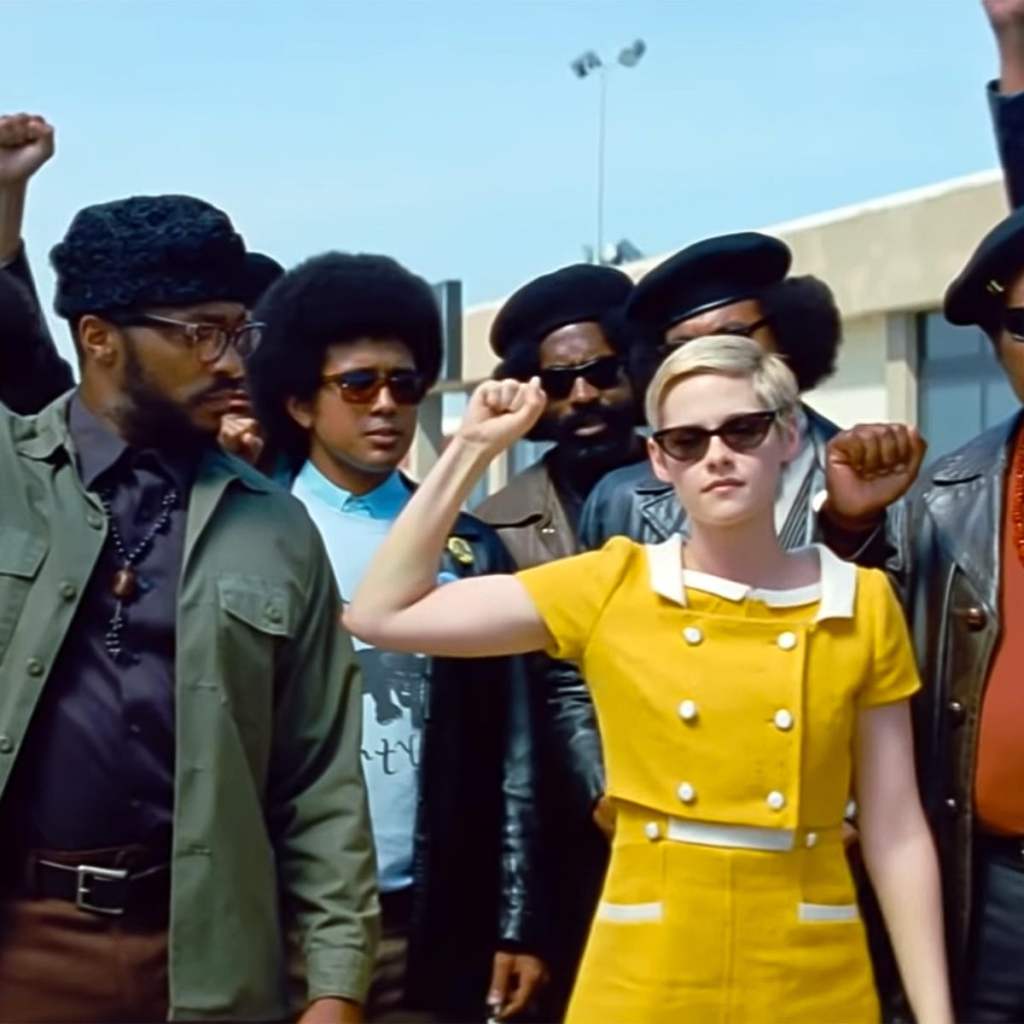
Of course this isn’t the entire picture, not even part of it. Not all black people are as careless as me and not all white people are rushing to the front lines. Yet regardless of who was doing the protesting, shouldn’t I as a black man at least be engaged enough to tune in and root them on, hand out bottles of water like they do in long distance running competitions? You can’t do nothing I told myself guiltily.
We’re in a time now where you have to take action and you better do it publicly. To be silent is to be complicit is the slogan. As an example of the conspicuous waters people and organisations can find themselves in, the universities I work with who have been seen to have a delayed reaction have been directly challenged by their student body. What’s taking so long these students were asking? Are you not sure which side of the fence you sit? Passive observer that I am, even I began to wonder. When I looked into how long it had taken the university to respond and realised it had not even been two days I realised two things: that this movement is being led by young people, and that I was no longer young.

I must be getting old. The impatience of the young is admirable. They are demanding change and they are demanding it now. To their calculations it had not been 48 hours, it had been their entire lives. I admire this kind of energy yet the old man within me feels some guidance is necessary. I used to go to a Saturday school back in the day and what we were taught is that, in strategizing for war, it was the old heads who sat around for weeks planning and only when the time was right did they hand it over to the young to go and conquer. I sense that this is what is missing from these protests, maybe even from our culture itself. It seems to me that speed and volume of response are being equated to speed of change. Yet, for something to be urgent does not always require an immediate response. There is still time to be considered.
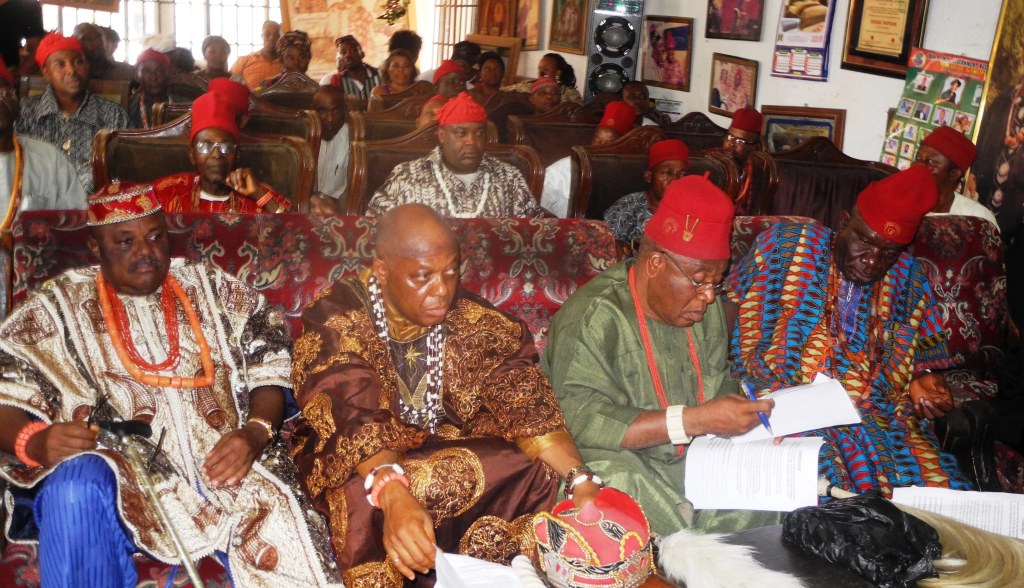
The fact that we are now seeing corporations get behind the slogan makes me wonder whether this will become another ‘diversity agenda’, where one is required to issue a social policy statement, get employees to complete some online training and wham bam, the issue is magically solved. Perhaps I’m being a typical millennial – not appreciating the gains that have been made from the past, and so being overly apathetic about the potential change that could come from all of this. As we will undoubtedly revisit this issue, I hope to be wrong on all fronts.
Margin Page
Margins Page is a play on its very words. Stories of black people in Britain, both past and present, have often been relegated to the margins of the British canon. This platform attempts to reconfigure this position, serving as a page to help develop, curate and promote black British literature.
Got a point of view or a story to share? Get involved by clicking here

 marginspage.com