
What do you do when the person telling you to go back to your own bloody country is, ironically, also not from the bloody country? I remember being at a family gathering a while back when I overheard my uncles talking about the influx of Romanian immigrants who were at the time moving into the areas of Birmingham where they lived.
In my uncle’s opinions, these migrants were here to take ‘our’ jobs and devalue property prices (along with, it would seem, the foundations of British culture). All their conversation culminated in a feeling of us all being better off if these foreigners simply returned to where they came from.
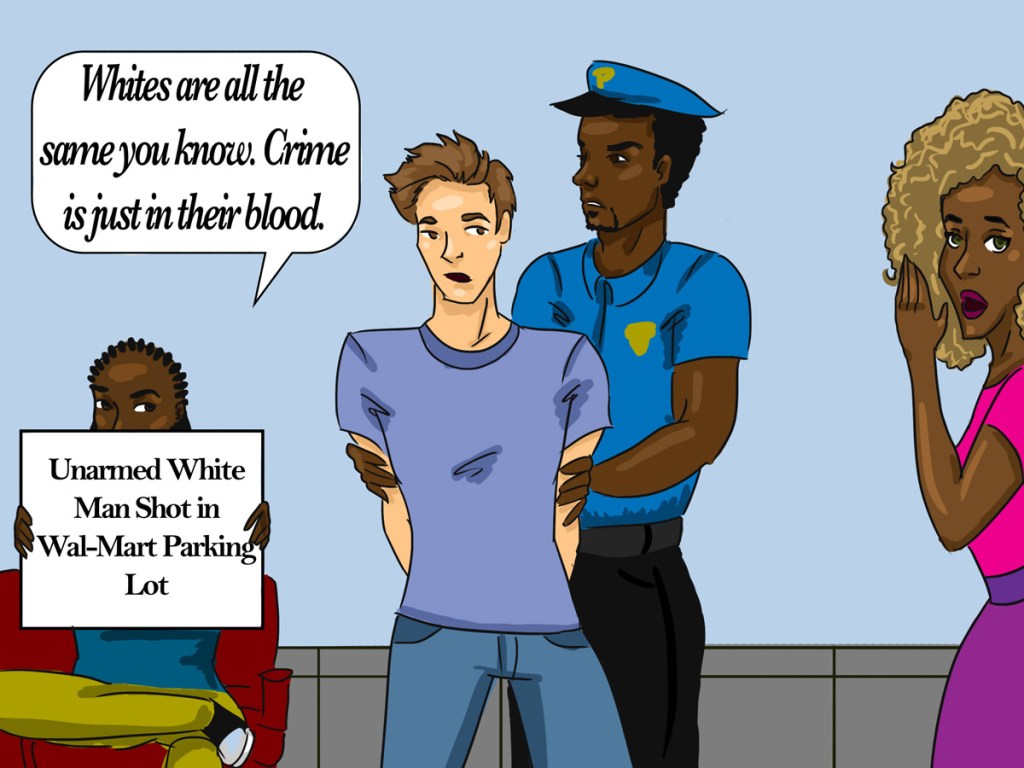
Truth be told, I don’t think I’d have batted much of an eyelid were it not for the fact of my uncles’ black Caribbean heritage. In contrast, the disgruntled narrative of the white Brit is an easy picture to conjure up (for those struggling, just imagine a pissed off Tracey, fuming in her pokey flat in Camberwell whilst watching Syrian-born Sadiq live it up in his four bedroom pad paid for by the British taxpayer). But black British people? This was something new.

I mean the fascinating thing is that, all things said and done, these Romanians were committing the same sin that my uncle’s father had committed but a few decades earlier – robbing the good British people of their good housing and employment opportunities. Only now, it seems we’ve become those good British people.
What’s interesting is the similarities between the modalities of adjustment in Eastern European migration and that of the Windrush generation of the 1950’s and 60’s. Both peoples moved primarily towards manual labour employment (often under conditions that UK citizens were/are neither accustomed or willing to work). Both communities shared the inclination to band together in which multiple people and families lived under one roof. And both communities went on to create businesses to serve their communities exclusively.
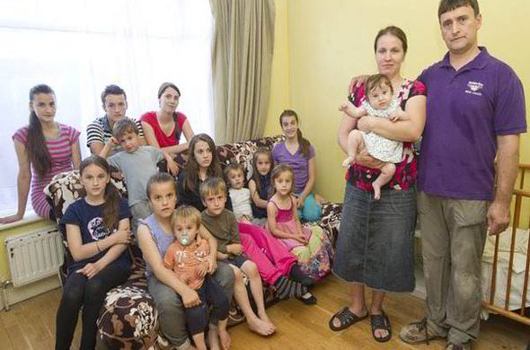
Truthfully, I felt a way about my uncles’ rhetoric. It reminded me too much of the lazy stereotypes that white British people had no doubt doled out to my grandparents back in the day. At the time I took their talk and all its underlying assumptions to be wholly racial/ cultural, however thinking back, I now see the other elements at play…
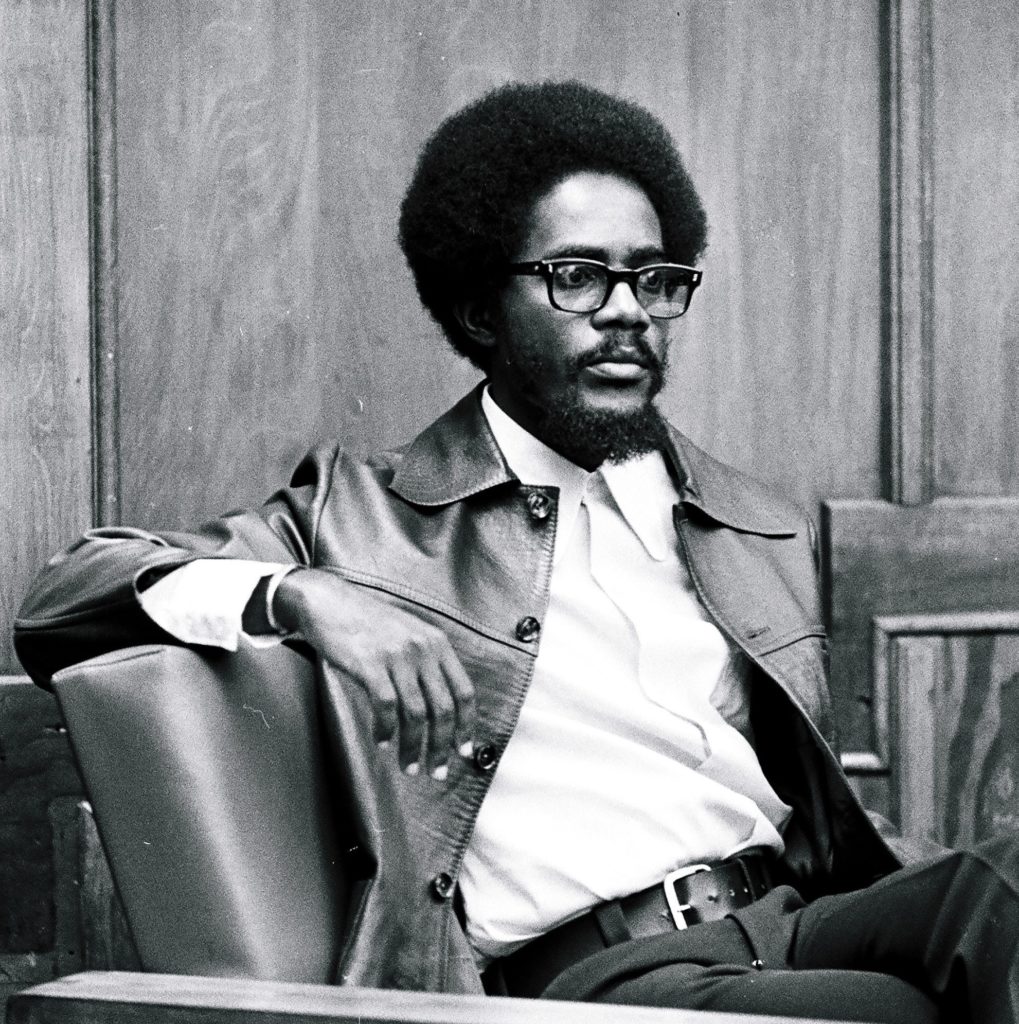
It was the Guyanese intellectual, Walter Rodney, who opened my eyes so to speak. In 1978 Rodney gave a lecture on Race and Class in Guyanese Politics in which he convincingly argues that the seeming racial tensions between Indian and black Guyanese peoples were not in fact racial in their antecedents, but rather firmly rooted in economic class consideration.
The fundamentals of their issue concerned the accumulation of income, the barriers to which they blindly identified one another. In the same way that Indian Guyanese workers were able to leverage advantage over African Guyanese workers was the same way that my grandfather was able to offer cheaper labour than a white British worker is now the same way that Eastern European immigrants are able to undercut my uncles.
These are structural economic frameworks that somehow become reduced to people telling one another to go back to where they came from. In truth, these systematic issues are quite unconcerned with race and culture, only to the exception that they can be used to further elevate and/or enforce the structure; in Rodney’s hypothesis, race was used as an instrument to create hierarchical structures to support the colonial system, again in the same way that minorities were funneled into England to help rebuild the country after World War 2.
The parallels are evident from that time to this. Without bonding ourselves to conspiracy theory, I think it is reasonable to imagine how the use of racialised rhetoric could be used by established power to divert attention from real economic consideration. We only need to look at the media’s undertone which makes prominent the distinct foreignness (in an earlier time, alienness) of immigrants and their supposed privilege above British citizens to see the point in modern day action.
Beneath the racial/cultural rhetoric of people feeling disenfranchised is always a sense of fear and lack of security. Yet these concerns are often economic, and from our personal points of view do not need to be molested by racial or cultural epithet. This is as true for my uncles as it may have been for a white man in the 50’s. For any of us feeling that someone ought to go back to where they came from, its worth re-interrogating the reasons why. Ultimately, it may not be what we think.
Margin Page.
Margins Page is a play on its very words. Stories of black people in Britain, both past and present, have often been relegated to the margins of the British canon. This platform attempts to reconfigure this position, serving as a page to help develop, curate and promote black British literature.
Got a point of view or a story to share? Get involved by clicking here

 marginspage.com