
We’re told to never judge a book by its cover, but how about its title? When Reni Eddo-Lodge’s much acclaimed book, Why I No Longer Talk to White People About Race first appeared on the shelves my initial thoughts were mostly cynical and shrug shouldered. Sardonically I thought to myself, Is there another title out there that speaks so directly to the white gaze quite like hers? I couldn’t help think how brilliant yet irredeemable it was. At least to me. I’m not reading her book, I thought to myself, I don’t need to, I already know why.
As fate would have it, two weeks later, in a snidey act of universal clairvoyance, I was of course gifted the book. Ah, what the hell, I figured, at the very least it could make a spiteful review.

The book is all of the things it’s supposed to be. A detailed, well researched and thoughtful documentation of all the issues and feelings that come when discussing race with white people. What impressed me most was her bravery to even confront the dialogue in the first place. I began to think about my own experience of race-centred conversations with white people, and why for the most part I’ve felt, and still do feel, unable to engage in them.
Let’s pause for a minute: Think Liam Neeson, Knife Crime, Danny Baker. With racial led narratives appearing regularly on our news feed, you’d imagine it’d be quite difficult for us not to discuss race. And for the most part you’d be right. Even before Donald Trump, issues of race have been so deeply entrenched in my experience that the challenge has been to not engage in the conversation. That is, unless the conversation is curated, facilitated or simply involving of, white people.
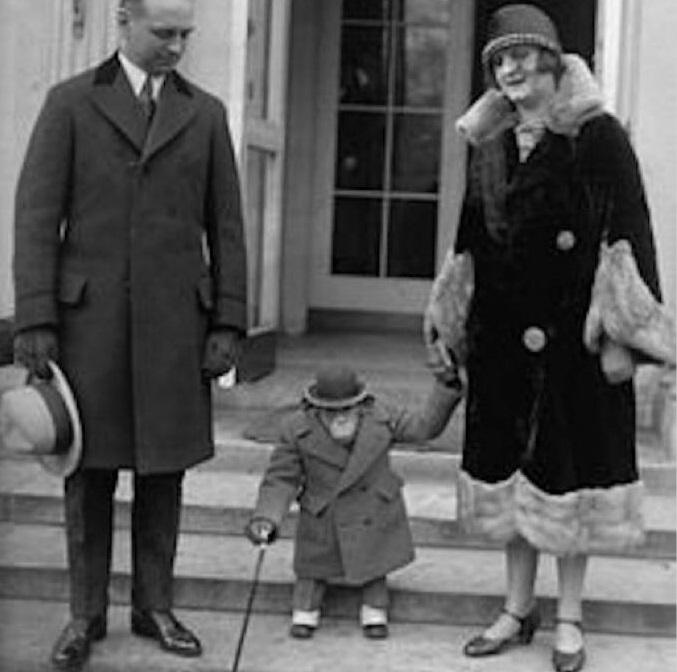
Danny Baker clearly won this one.
A large part of why I feel unable to discuss race with white people is that I don’t like who I become when doing so. I become magically inconspicuous, I mince my words, become overly conscientious, watching over my thoughts as well as my words. I become distant, intellectual and abstract – all of the things not usually evoked for me when discussing race.
Yet to do the opposite, to show a lack of control or articulation, to express passion even, defies the unconscious codes of talking about race in this country. Come to think of it, isn’t lack of control the ultimate defiance of being British? We can talk about anything, as long as we’re polite about it.
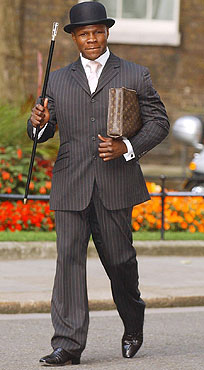
And whilst the conceptual rebel in me may like the idea of undermining this code, there are real life consequences which ward me off doing so. And here I’m not talking about losing my job because I decide to send out passive aggressive emails to the CEO, detailing all the ways in which his company represents white hegemony. I’m talking about something far more intrinsic.
It’s the fear of expressing ‘blackness’ or anything ‘too black’ lest this be interpreted as anti-white and labelled racist. Fears of passion and engagement being interpreted as aggression and hostility. And perhaps the biggest fear is the fear of being racialised, to be seen to have any racial concerns whatsoever.

For the white person who thinks that racism is a) no longer an issue or b) some infrequent evil, I have empathy, because when I look at my own interactions with them, I too may feel the same. Thinking about it, I can detect very little in my experience around white people that would tell them I have any sort of feelings about race whatsoever.
I never, ever, unless persistently encouraged and/or coerced, bring my racialised experiences to their presence (which is to say a lot seeing as they are always present). But again, there’s something about Britishness here. That we are willing to endure discomfort for our personal selves, but woe betide us to discomfort someone else.
I once had a work colleague who when trying to describe an unknown colleague to me detailed every designation of this man, apart from the colour of his skin. This man was tall, he was muscular, he had black hair, he had big hands, he was charismatic. Yet she couldn’t bring herself to utter the word black for fear I’d be offended. And although I laughed this off (sincerely), a week later I overheard another colleague telling someone to find ’the black girl upstairs’ and felt quietly disjointed. I couldn’t put my finger on why. The girl was black after all but, “is that all she was”, I complained to myself. From such experiences, I’ve come to see how overly sensitive I am to white people handling race in any shape or form, and for this reason I’ve always chosen to stay silent. But for how long?

It’s been three months since I started writing this blog and I think about all of my white colleagues, acquaintances and friends who know nothing about it. The fear of the questions, of having to explain myself, of what I’ve written being under scrutiny paralyses me.
However, being a writer who wishes to read, this is always going to be a fear. Why I No Longer Talk to White People About Race had the adverse and ironic effect of perpetuating the conversation. And I think this is about right. We ought not to stop engaging (or, if you’re like me, begin engaging), even when it feels awkward, vulnerable or potentially dangerous.
Margin Page.
Margins Page is a play on its very words. Stories of black people in Britain, both past and present, have often been relegated to the margins of the British canon. This platform attempts to reconfigure this position, serving as a page to help develop, curate and promote black British literature.
Got a point of view or a story to share? Get involved by clicking here

 marginspage.com